


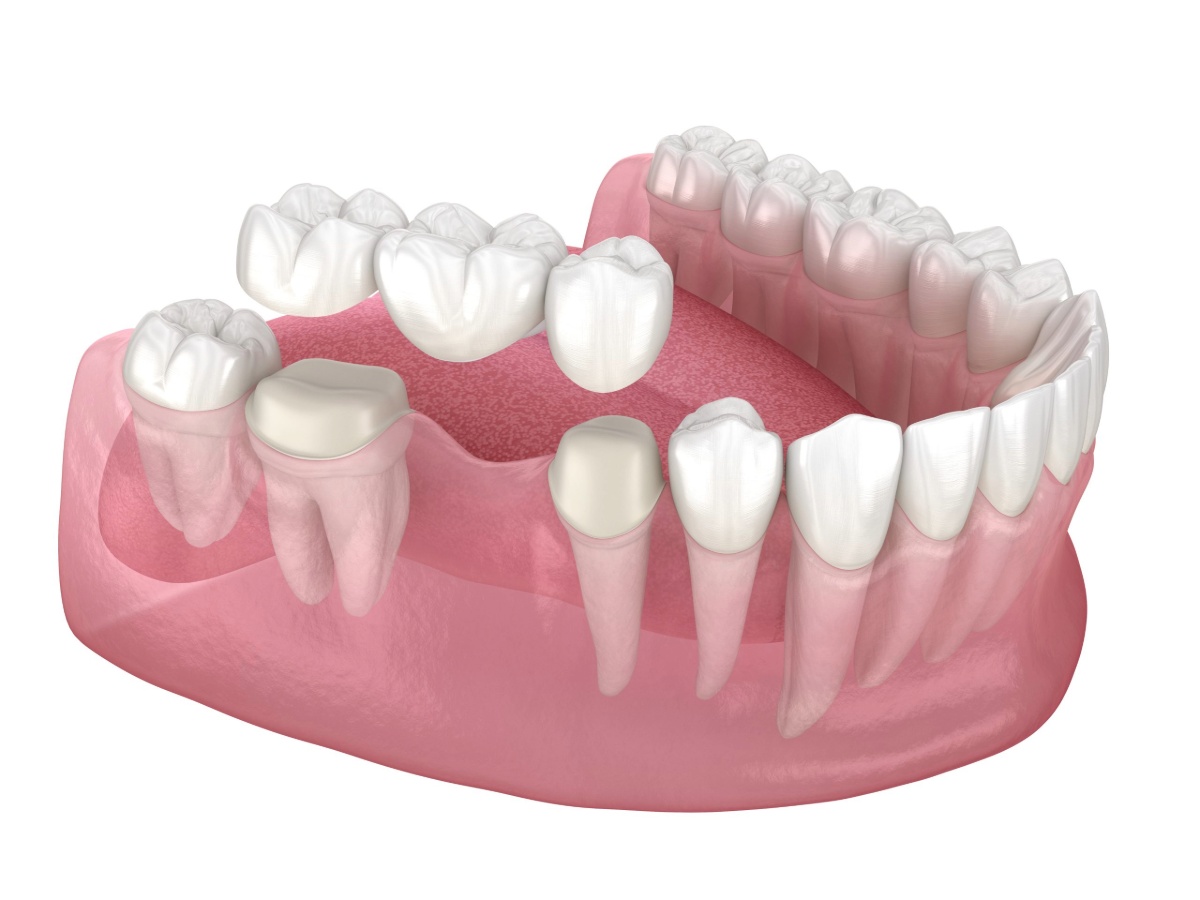
Losing a tooth can affect more than just your appearance; it can change how you eat, speak, and feel about your smile., but thanks to modern restorative dentistry, which offers several ways to fill those gaps and restore your confidence. If you are looking for a skilled dentist in Niagara Falls, you will find that a dental bridge is one of the most reliable and time-tested solutions available. These custom-made restorations “bridge” the space created by one or more missing teeth, using your healthy teeth or implants as anchors.
By choosing the right replacement option, you can prevent your remaining teeth from shifting and keep your jaw properly aligned for years to come.
Understanding the Different Tooth Replacement Options
When you begin exploring how to restore your smile, you will realize there are several types of dental bridges designed to solve specific dental problems. The right choice depends on where the missing tooth is located and the health of the teeth surrounding the gap.
- Traditional Bridge: This is the most popular version, involving a fake tooth held in place by dental crowns that are cemented onto the teeth on either side of the hole.
- Cantilever Bridge: This style is used when there is only one anchor tooth next to the empty space, though it is less common today.
- Maryland Bridge: Often used for front teeth, this option uses a metal or porcelain framework bonded to the backs of nearby teeth instead of using full crowns.
- Implant-Supported Bridge: Instead of relying on natural teeth, this bridge is held in place by titanium posts placed directly into the jawbone.
Which Dental Solution Fits Your Lifestyle?
Choosing among the various dental bridge types is a decision you should make with professional guidance. Each version offers different benefits depending on your oral health history and your budget. For example, a Maryland bridge is much less invasive because it doesn’t require reshaping the anchor teeth. At the same time, an implant-supported version is the sturdiest option for people missing multiple teeth in a row. Your provider will look at the strength of your bite and the condition of your gums to ensure the bridge you choose stays comfortable and functional for a long time.
The Process of Restoring Your Smile Locally
If you are ready to move forward, getting dental bridges in Niagara Falls usually takes two or three visits. During the first visit, the anchor teeth are prepared by removing a tiny bit of enamel to make room for the crowns. Impressions of your mouth are then sent to a lab where your custom bridge is created. While you wait for the permanent version, you will wear a temporary bridge to protect your gums. Once the final piece is ready, your dentist will check the fit and color to make sure it looks exactly like your natural teeth before bonding it into place.
Comparison of Common Bridge Options
| Feature | Traditional | Maryland | Implant-Supported |
| Best For | Strong chewing (molars) | Front teeth (low pressure) | Multiple missing teeth |
| Invasiveness | Moderate (crowns needed) | Low (bonding only) | Higher (requires surgery) |
| Durability | Very High | Moderate | Excellent |
| Anchor Used | Natural teeth | Back of natural teeth | Titanium posts |
| Bone Health | Neutral | Neutral | Stimulates jawbone |
How to Find the Best Restorative Care?
Finding the right quality of dental bridges is important because these restorations require regular check-ups to ensure they stay in good shape. A local clinic can monitor the health of the anchor teeth and make sure the bridge isn’t putting too much stress on your jaw. Having a provider close to home also makes it easier to get adjustments if the fit feels slightly off after the first few days. Consistent professional care is the secret to making sure your restoration lasts for ten to fifteen years or even longer.
Long-Term Benefits of Filling the Gap
- Restores Your Bite – A bridge allows you to chew properly on both sides of your mouth.
- Maintains Face Shape – By supporting your cheeks and lips, a bridge prevents a “sunken” appearance.
- Prevents Shifting – It keeps your other teeth from leaning into the empty space.
- Speech Clarity – Filling the gaps helps you pronounce words more clearly and naturally.
How to Take Care of Your New Teeth
- Clean below the teeth – Use a bridge threader or a water flosser to remove food trapped under the fake tooth.
- Brush Twice Daily – Keep the anchor teeth healthy to ensure the bridge stays strong.
- Avoid Hard Foods – Try not to bite down on ice or hard candy that could chip the porcelain.
- Regular Exams – Visit your dental team twice a year to check for any signs of wear or gum issues.
Restore Your Confidence and Function
Choosing the right way to replace a missing tooth is an important step toward better oral health and a confident smile. Today, several modern options can restore both the function and appearance of your teeth. Whether you need to replace a front tooth or multiple back teeth, these treatments are designed to look natural and help you chew comfortably again. At Applebay Family Dental Clinic, our team takes the time to explain your options so you can choose the solution that works best for you. We are committed to helping you achieve a healthy, natural-looking smile that lasts. Ready to restore your smile and enjoy eating with confidence again? Contact Applebay Family Dental Clinic today to schedule your consultation.
Frequently Asked Questions
How long will it take to get used to my new bridge?
Most people feel completely normal within a week or two as their tongue and cheeks adjust to the new structure.
Does getting a bridge hurt?
The area is numbed during the preparation phase, so you shouldn’t feel pain, though you might have some mild sensitivity for a few days.
Can a dental bridge be whitened later?
No, the materials used for bridges do not change color with whitening gels, so it is best to whiten your natural teeth before the bridge is made.
What happens if a bridge becomes loose?
You should visit your clinic immediately so the dentist can re-cement it before bacteria get underneath and cause decay on the anchor teeth.