


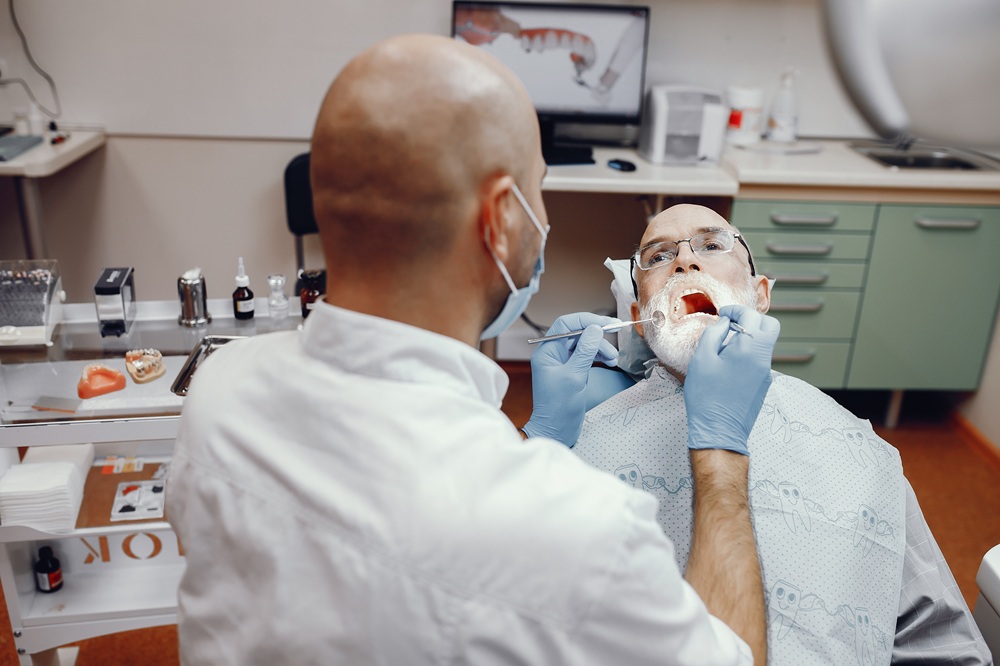
Concerned that getting a dental crown might be painful? Many patients delay treatment because they are unsure what the procedure involves. If you’re searching for dental crowns near you, knowing what happens during each step can help you feel more confident. Modern dental techniques and local anesthesia help keep the procedure comfortable for most patients from start to finish.
Understanding each stage of the process can help you make an informed decision and protect a damaged tooth before it leads to more serious problems.
What Is a Dental Crown?
A dental crown is a custom-made dental cap to cover a damaged or weak tooth. It aids in the restoration of the strength, shape, and natural appearance of a tooth while also protecting it from further damage.
You may obtain a crown in porcelain, ceramic, metal, or a combination of substances. Depending on where the tooth is located, your smile goals, and your oral health needs, a dentist near you will recommend.
Why Do You Need Dental Crowns?
Many patients ask why they need dental crowns instead of a simple filling. A filling repairs small areas of damage, while a crown provides full coverage when a tooth is too weak to support a filling.
A dental crown may be recommended for:
- Large cavities
- Cracked or broken teeth
- Teeth weakened after a root canal.
- Worn-down teeth
- Misshapen or severely discoloured teeth
- Supporting a dental bridge
- Covering a dental implant
A crown helps preserve the natural tooth whenever possible.
Does Getting a Dental Crown Hurt?
The procedure itself is usually not painful.
Before treatment begins, the tooth and surrounding area are numbed with local anesthesia. Most patients feel pressure or vibration but little to no pain while the tooth is being prepared.
After the numbness wears off, mild soreness or sensitivity may occur for a few days. This discomfort is usually temporary and improves quickly.
What Happens During the Procedure?
Knowing each step helps reduce anxiety.
- Initial Examination: The tooth is carefully examined. X-rays may be taken to evaluate the tooth and surrounding bone.
- Preparing the Tooth: A small amount of the outer tooth surface is reshaped to create enough room for the crown.
- Digital Impressions: Your dentist takes digital scans or impressions to create a custom crown that fits well and blends naturally with your surrounding teeth.
- Temporary Crown: A temporary crown is placed to protect your tooth until your permanent crown is ready.
- Permanent Crown Placement: Once ready, the permanent crown is checked for fit, appearance, and bite before being securely bonded into place.
What Does a Dental Crown Feel Like Afterwards?
After treatment, some patients experience:
- Mild tooth sensitivity
- Slight gum tenderness
- Minor discomfort when chewing
- Temporary sensitivity to hot or cold foods
- These symptoms usually improve within several days.
If pain becomes severe or continues for an extended period, a dental evaluation is recommended.
How Long Does the Procedure Take?
The first appointment generally lasts about 60 to 90 minutes.
A second visit is often needed to place the permanent crown after it has been custom-made. Some practices may also offer same-day crowns using digital technology.
When Should a Dental Crown Be Replaced?
Dental crowns in Niagara Falls may need replacement over time due to normal wear.
Signs include:
- A loose crown
- Cracks or chips
- Pain when chewing
- Gum irritation around the crown
- Changes in the way the bite feels
Routine dental examinations help identify these problems early.
Benefits of Dental Crowns
Dental crowns offer many benefits. They can help:
- Protect weak or damaged teeth.
- Make it easier to chew food.
- Improve the look of your smile.
- Add strength to a damaged tooth.
- Help prevent the tooth from breaking further.
- Support good oral health.
With proper care and regular dental checkups, a dental crown can last for many years.
Restore Your Tooth with Comfortable, Personalized Care!
A damaged tooth does not always need to be removed. With the right treatment, a dental crown can help protect your natural tooth, improve chewing ability, and restore a healthy-looking smile. Early care and regular follow-up visits can also help maintain your oral health and keep your restoration functioning well for years to come.
At Applebay Family Dental Clinic, we offer customized dental treatment based on your oral health needs and smile desires. By scheduling your appointment today, we can help restore the strength, function, and appearance of your smile through quality, effective treatment.
FAQs
Is it normal to have sensitivity after getting a crown?
Yes. Mild sensitivity to hot, cold, or pressure is common for a few days and usually improves naturally.
Can a dental crown fall off?
Although uncommon, a crown can become loose because of wear, decay underneath the crown, or damage. A dental evaluation should be scheduled if this happens.
Can a crowned tooth still get cavities?
The crown itself cannot decay, but the natural tooth underneath can develop cavities near the edges if oral hygiene is poor.
How can a dental crown last longer?
Daily brushing, flossing, avoiding very hard foods, attending regular dental checkups, and wearing a nightguard if recommended all help increase the lifespan of a crown.