

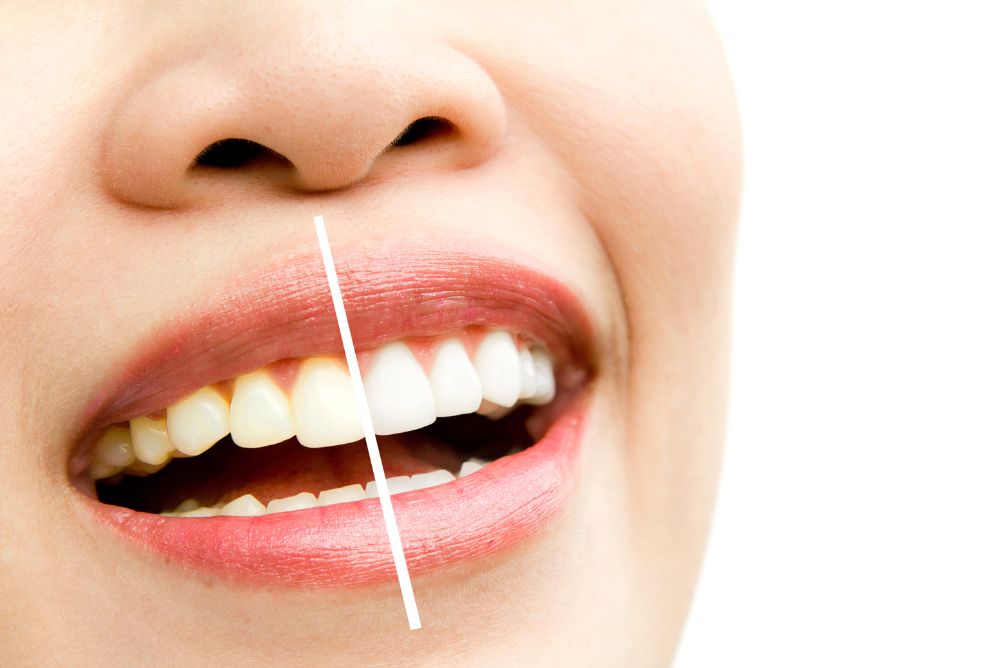
Have you ever noticed some chips, cracks or gaps in your teeth? These are small concerns, but they can be easily dealt with. If this is the case, dental bonding in Niagara Falls may be the solution you’ve been looking for to quickly and affordably restore your smile. This procedure involves the application of tooth-coloured resin to minor imperfections to improve your look.
What is Dental Bonding?
A dentist can stain a tooth to repair a decayed or damaged tooth through this procedure. Also, dental bonding uses a colour-matched resin. The material is shaped with light cure, hardened and polished to create a perfect match for your teeth. It’s commonly used too.
- Fix chipped or cracked teeth.
- Close small gaps between teeth.
- Improve tooth shape or length.
- Cover minor discoloration.
This is simple and painless, as it does not require anesthesia, and a single visit to a dental clinic near you is enough.
The Pros of Dental Bonding
Dental bonding has a few qualities that positively influence the patient’s decision to choose this method:
- Affordable: One of the most cost-effective cosmetic dental works is dental bonding.
- Quick Results: In most cases, a dental bonding procedure takes less than an hour for one tooth.
- No drilling is necessary: In comparison to crowns or veneers, bonding generally requires minimal or no removal of the enamel.
- Healthy Appearance: The composite resin is made to match the colour of your natural tooth.
- Returnable: The operation can be changed or reversed, if required.
Such advantages make bonding an ideal treatment for those who aspire to enhance their smile in a simple, non-invasive manner.
The Cons of Dental Bonding
For example, dental bonding has many benefits, but you should also be aware of its limitations:
- Less Durable: The resin is less durable than natural enamel or porcelain.
- Prone to Stains: The bonding pieces can stain as time goes on, particularly from coffee, tea, or smoking.
- May Need Touch-ups: The area can become chipped or worn due to the substance that may be used after a few years.
- Limited Lifespan: Usually, bonding stays for 5 to 10 years before it needs to be replaced.
Discussing these questions with your dentist will definitely help you make the dental decision that suits your goals the most.
Longevity of Dental Bonding Results
How long your dental bonding lasts depends on the way you care for it. With good brushing and flossing and regular checkups, the bonding can last for years. Steer clear of hard food or solid objects such as ice and pens to prevent resin damage. Frequent professional cleanings and polishing also help to keep the shine and appearance up.
Potential Risks of Dental Bonding Treatment
Although a safe and routine dental treatment, it’s useful to be aware of the risks of dental bonding:
- Minor tooth sensitivity after treatment.
- Resin may chip easily if used on teeth that bite down hard.
- Discoloration over time without proper care.
Risks happen rarely, and your dentist will minimize the risk by applying the resin appropriately and advising you to take care of it.
Is Dental Bonding Right for You?
Dental bonding is most suitable for minor cosmetic changes, not major repairs. If you are after an inexpensive and quick way to brighten your teeth, it’s a wonderful choice. Your dentist may recommend dental crowns or veneers for more extensive damage to the front teeth.
Revive Your Smile with Expert Dental Bonding Today!
Want to keep your smile healthy for life? Book your preventive checkup with Applebay Family Dental Clinic today and enjoy lasting oral health and confidence!
FAQs
How long does dental bonding last?
If you take care of your dental bonding, your dentist says it can last up to 10 years in some cases before it needs more repairing or replacing, basically replacing.
Is dental bonding painful?
Dental bonding is usually painless and hardly ever requires anesthesia, except when used. It’s rarely used to heal a cavity.
Can dental bonding fix chipped or cracked teeth?
Repairing minor dimples on your teeth is an excellent way to have a nice smile.
How do I care for bonded teeth?
To keep your teeth healthy, you need to floss every day and brush twice a day. Then schedule regular dentist trips.
Find Us on Google Map 📍