


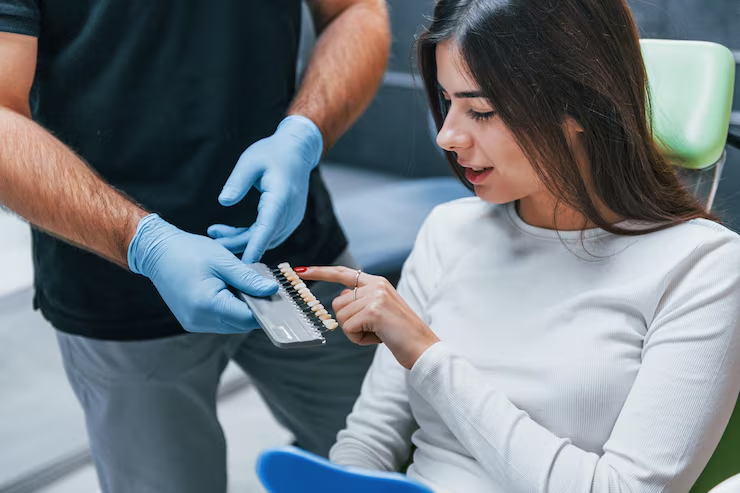
When you decide to upgrade your smile, one of the first questions you may ask is how long the change will last. Dental veneers are a popular way to improve chips, gaps, or deep stains that whitening cannot fully address. Before you start the process with a dentist in Niagara Falls, it is important to understand that veneers are long-lasting, but the procedure is usually considered irreversible. A small amount of enamel is often removed so the thin shells can fit properly.
The Reality of “Permanent” Dental Work
In dentistry, “permanent” usually means the change to your natural tooth cannot be undone. To make veneers look natural and not too bulky, a thin layer of the tooth’s outer surface may be trimmed away. This is why searching for dental veneers near you is about more than a quick cosmetic change. Once enamel is removed, it does not grow back, so the treated teeth will usually need veneers or another restoration going forward.
How Long Do Veneers Actually Last?
While the tooth preparation is permanent, the porcelain shells themselves do not last forever. Eventually, veneers may chip, wear, loosen, or need replacement to maintain the look and function of your smile.
Many patients can expect their veneers to last around 10 to 15 years with proper care. Some may last longer, depending on oral hygiene, bite habits, diet, and regular dental visits.
What Happens During the Appointment?
The process is designed to be careful and precise. At a dental clinic near you, the dental team can plan the shape, shade, and size of your veneers so the final result suits your smile. First, the teeth are prepared by removing a thin layer of enamel if needed. Then, a digital scan or mould is taken to create your custom porcelain shells.
Fitting and Bonding
While your final veneers are being made, you may wear temporary ones. Once the permanent porcelain veneers are ready, they are bonded to your teeth using a strong dental adhesive. This bond helps them stay secure during daily eating and speaking.
Things to Consider Before You Commit
Since veneers involve a lasting change to your teeth, you should make sure they fit your lifestyle and oral health needs. Many people are good candidates, but your mouth should be healthy before treatment begins.
If you have gum disease, active decay, or very large fillings, your dentist may suggest treating those concerns first.
Porcelain is strong, but it can still chip or crack under heavy pressure. If you grind your teeth at night, you may need a night guard.
Living with Your New Smile
Taking care of veneers is similar to caring for natural teeth. You still need to brush twice a day, floss daily, and visit the dentist regularly. Porcelain is resistant to stains, but it is still wise to limit habits that can affect your oral health, such as smoking or frequent dark-coloured drinks.
Making the Best Choice for Your Future
Veneers can improve the appearance of your smile, but they also require long-term care and may need to be replaced in the future. If you understand the process, benefits, and limits, you can make a more confident choice.
At Applebay Family Dental Clinic, our team helps patients understand their options before moving forward with their cosmetic dental care. We focus on clear communication, comfort, and personalised treatment planning.
Call us today to book your consultation.
Frequently Asked Questions
Can I ever go back to my natural teeth after veneers?
Generally, no. Because some enamel is usually removed, the treated teeth may look different or feel sensitive if left uncovered. Veneers should be considered a long-term commitment.
Does the process of getting veneers hurt?
Most patients feel little discomfort. A local anesthetic may be used during preparation, and mild sensitivity can happen for a few days afterwards.
What happens if a veneer chips?
A small chip may sometimes be smoothed or repaired. If the veneer breaks significantly, it may need to be replaced.
Can I get cavities with veneers?
Yes. The porcelain itself cannot decay, but the natural tooth underneath can. Brushing, flossing, and regular checkups are still important.